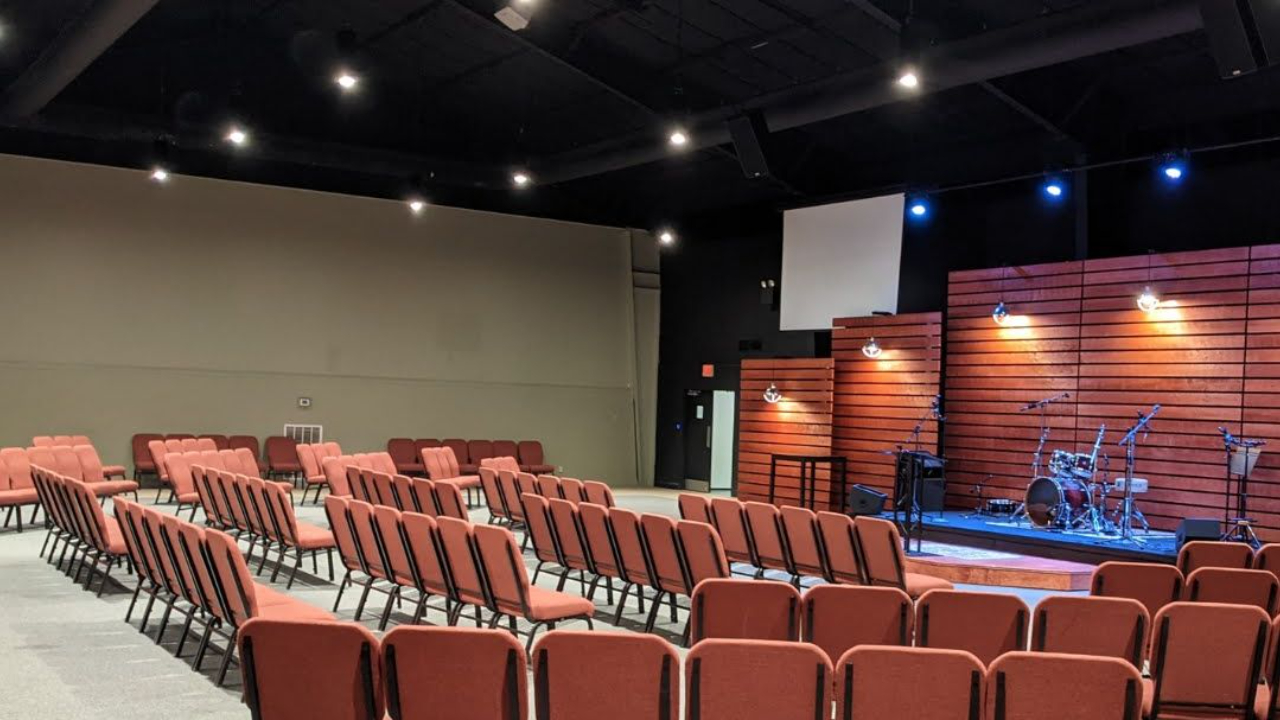
How We Built a Multi-Purpose Event Lighting Rig for Rivers Run Event Center
How Above AVL designed a network-based, touring-ready lighting rig for Rivers Run Event Center — built around a grandMA3 console, ETC Paradigm integration, and more!

How Above AVL designed a network-based, touring-ready lighting rig for Rivers Run Event Center — built around a grandMA3 console, ETC Paradigm integration, and more!

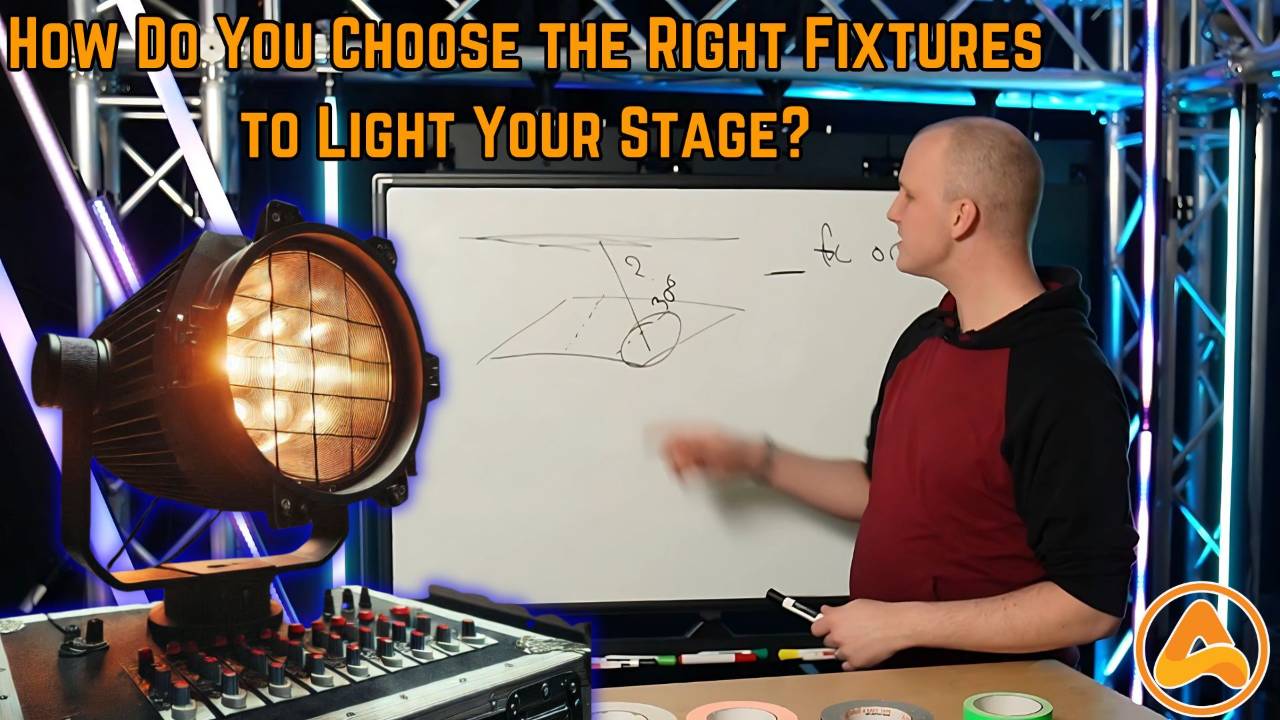
We’re tackling a big question in this article: How in the world do you choose the right fixtures to light your stage? Whether you're starting from scratch, replacing old equipment, or just need to find the right lights for your space, understanding how to choose the right lights for your stage is crucial.

When it comes to technology, failures are often frustrating, disruptive, and costly. At Above AVL, we believe that these failures are not only avoidable but can be minimized or eliminated entirely with proper planning, system design, and a deep understanding of how various pieces of equipment interact with one another.

Designing for audio, visual, and lighting (AVL) projects is a crucial aspect of ensuring that the final product aligns with the client’s needs and offers a user-friendly, technically sound experience. While the focus often shifts toward selecting high-end equipment, the success of any AVL project depends more on the initial design process, taking into account the room’s purpose, how it will be utilized, and the technical proficiency of the users. By focusing on design from the start, AVL professionals can deliver projects that are more effective, sustainable, and user-friendly.

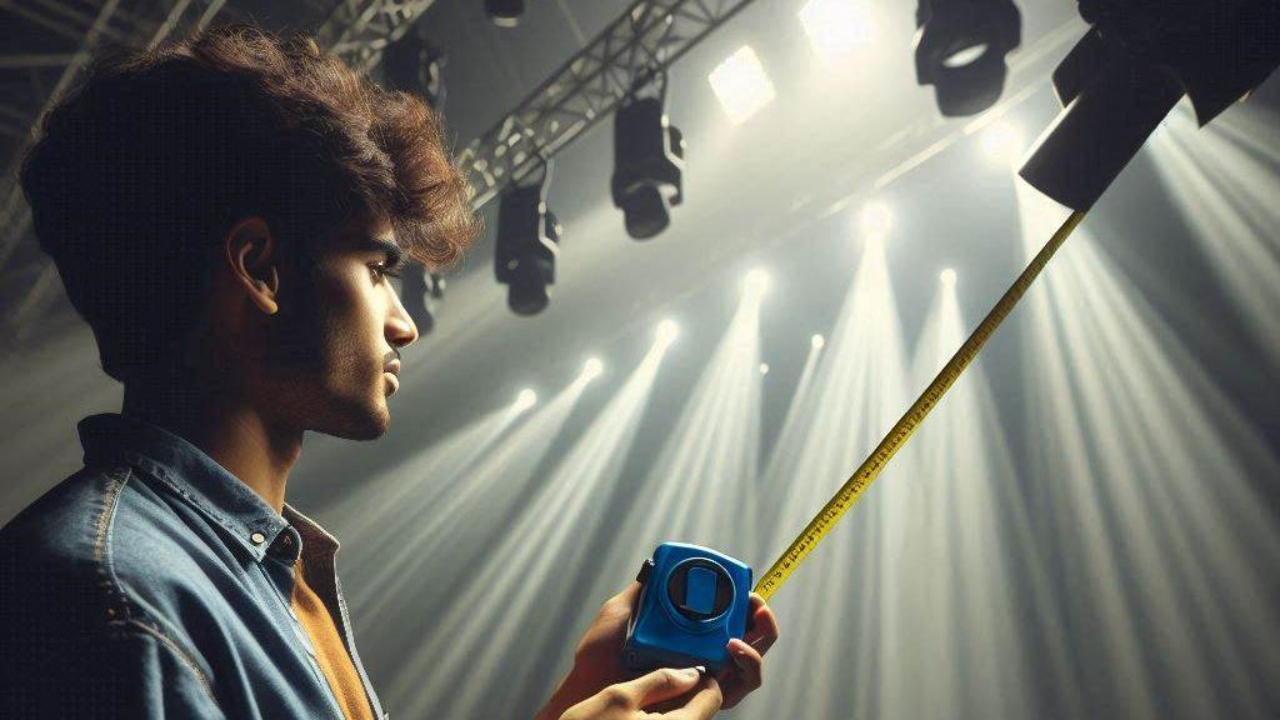
When it comes to helping you find the perfect light for your needs, one of the first things we ask for is the "throw distance" for your light. This measurement helps us, along with other factors, to choose the perfect light for your needs. But what is it, and more importantly, how do you find it?

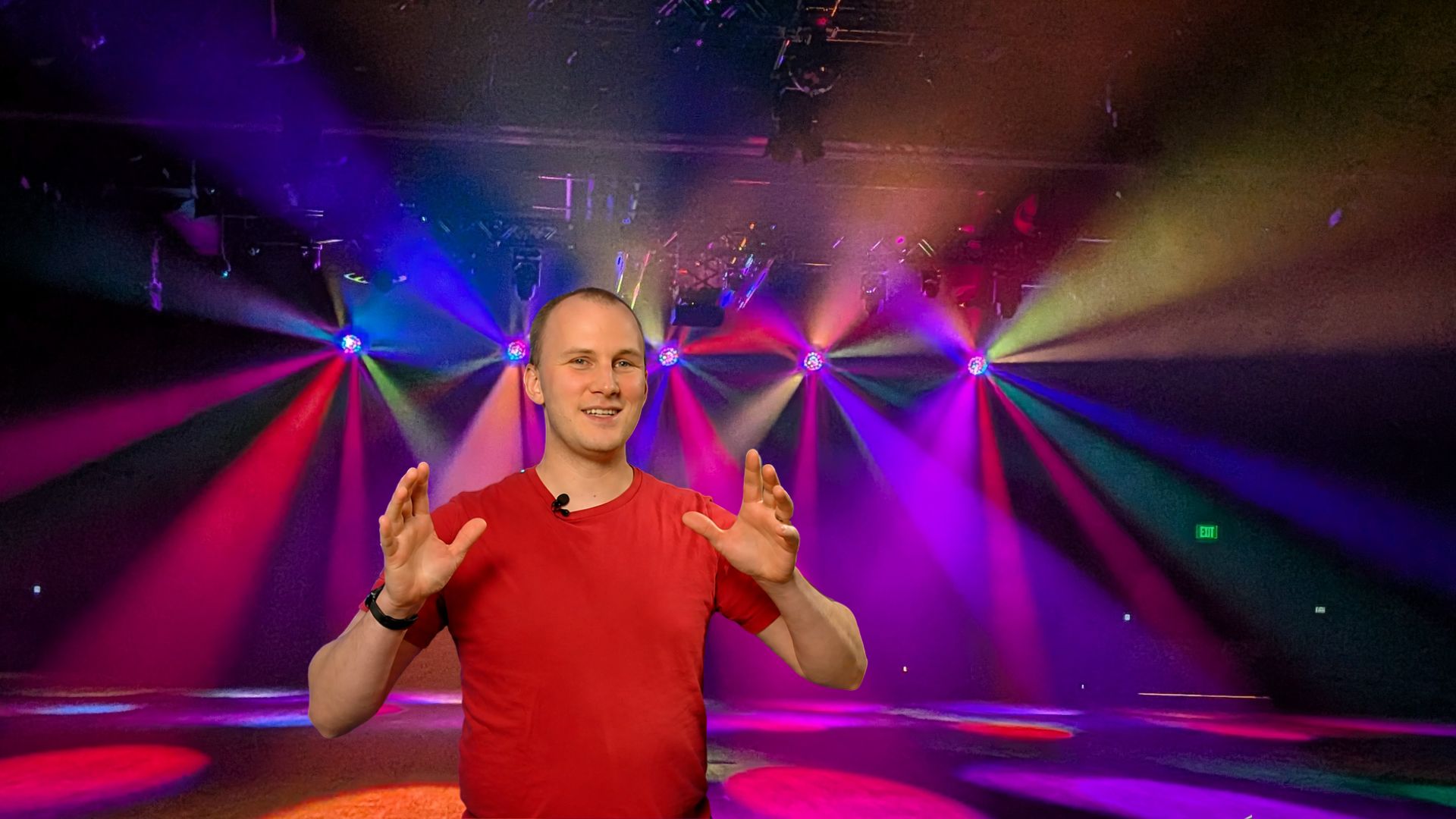
Whether you’re lighting a band, yourself, a speaker or any other kind of show/service, you don’t need to get crazy with angles of light. It’s simpler than you think. In this video we discuss the different angles of light and what are the best ones to use for stage lighting?